




How to Set Stop Loss and Take Profit Like a Pro in 2026
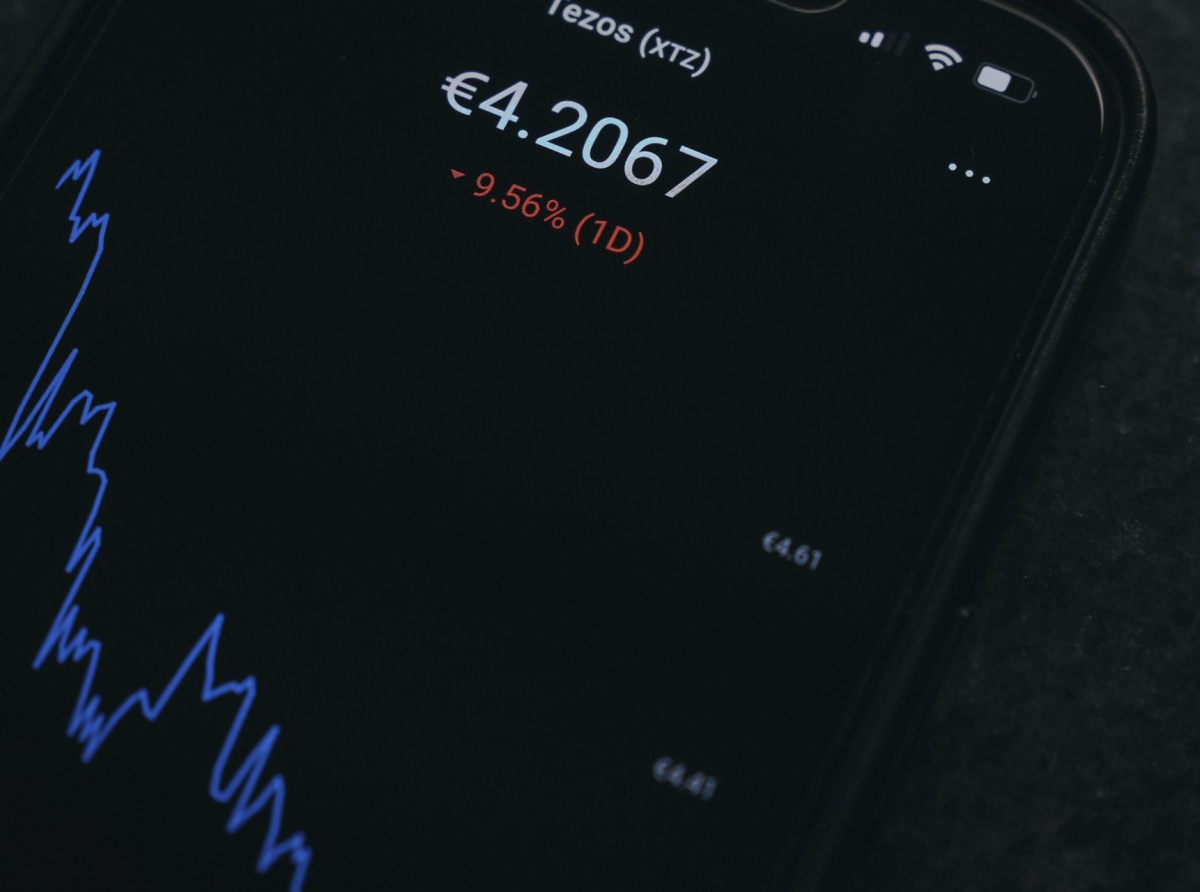
Learn how to set stop loss and take profit like a pro in 2026. Strategies, risk management rules, and practical trading examples.
In 2026, professional traders typically risk no more than 1–2% per trade while maintaining a minimum risk-to-reward ratio of 1:2, using volatility-based stop loss placement and data-driven take profit levels to ensure long-term profitability.
Setting stop loss and take profit levels is not a technical detail — it is the core of trading survival. In modern markets, where volatility is amplified by macroeconomic shifts and algorithmic trading, precision in exit strategy determines whether a trader remains consistent or exits the market entirely.
Setting stop loss and take profit levels is not a technical detail — it is the core of trading survival. In modern markets, where volatility is amplified by macroeconomic shifts and algorithmic trading, precision in exit strategy determines whether a trader remains consistent or exits the market entirely.
What stop loss and take profit really represent
A stop loss is not just a protection tool. It defines the point at which your trading idea is invalidated. A take profit, in turn, reflects the expected outcome of that idea.In professional trading, both levels are defined before entering a position. This eliminates emotional decision-making and aligns execution with strategy.
Market data from TradingView (March 2026) shows that traders who predefine exit levels demonstrate significantly lower drawdowns compared to those who manage trades manually in real time.
The most common mistake is placing stop loss based on arbitrary distance rather than market structure. Fixed pip values or percentage-based stops without context ignore volatility and liquidity zones.
For example, placing a stop too close in a high-volatility environment—such as during interest rate announcements by the Federal Reserve (USA)—leads to frequent stop-outs. Conversely, placing it too far increases potential losses beyond acceptable limits.
Professional traders anchor stop loss levels to structure: support/resistance, liquidity zones, or volatility indicators such as ATR (Average True Range).
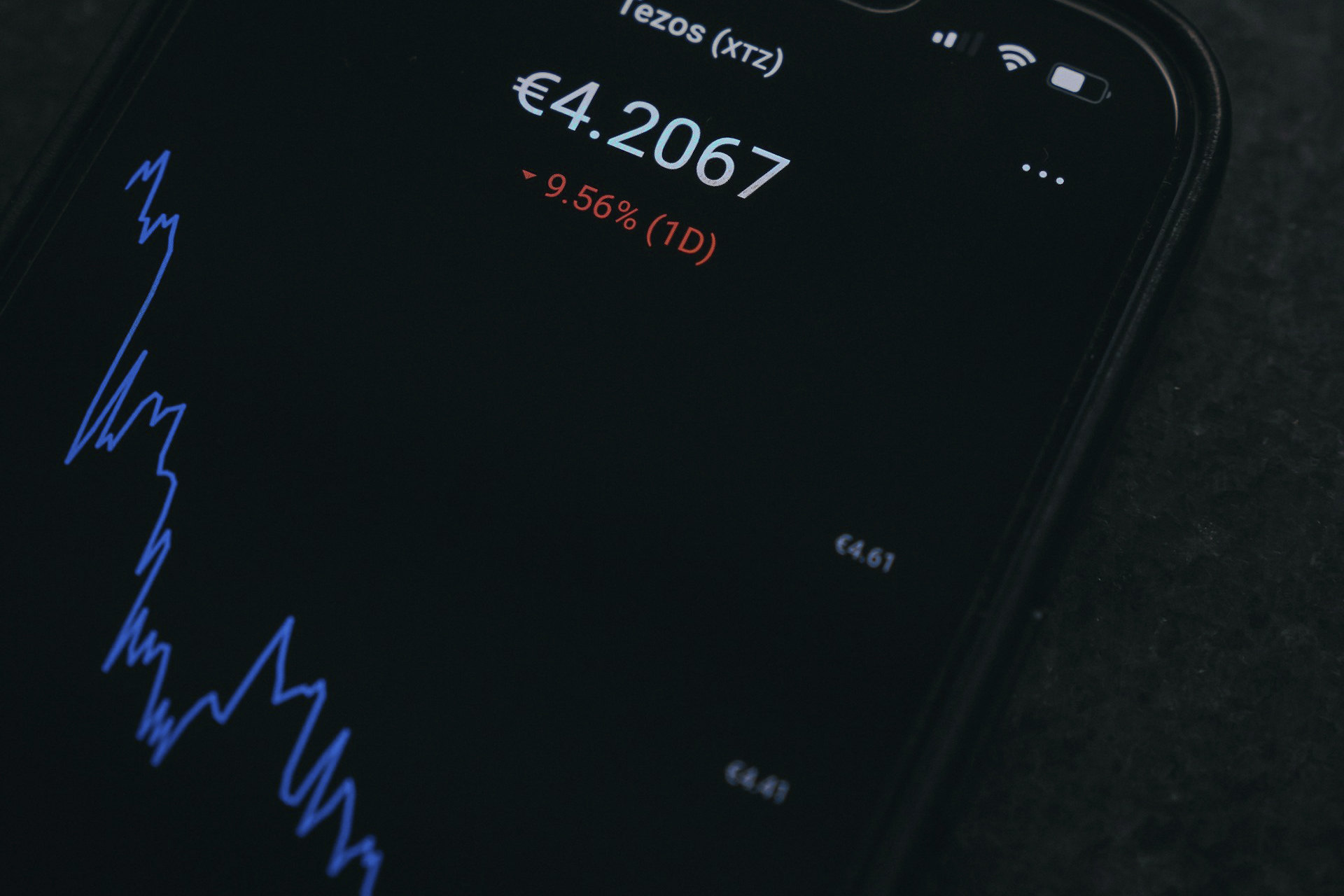
How to Set Stop Loss and Take Profit Like a Pro in 2026
How professionals place stop loss
In 2026, the dominant approach combines technical structure with volatility adjustment.A typical process includes identifying key levels where the market has previously reacted. The stop loss is then placed beyond that level, allowing for natural price fluctuations.
For example, in an uptrend, a stop loss is often placed below the most recent higher low, adjusted by a volatility buffer. This ensures that normal market noise does not prematurely close the position.
The key principle is simple: the stop loss must invalidate the trade idea, not just limit loss.
Take profit: where strategy meets probability
Take profit placement is often underestimated. Many traders exit too early, limiting gains, or too late, allowing profits to reverse.Professional traders define take profit based on probability zones. These include previous highs/lows, Fibonacci extensions, or measured move projections.
A critical concept is the risk-to-reward ratio. A minimum of 1:2 means that the potential profit is at least twice the potential loss. This allows traders to remain profitable even with a win rate below 50%.
Risk management transforms trading from speculation into a structured process. By limiting risk per trade to 1–2% of capital, traders ensure that a series of losses does not significantly impact the account.
For example, with a 1% risk per trade, a trader would need 100 consecutive losses to wipe out the account—an extremely unlikely scenario when combined with a disciplined strategy.
This approach aligns with professional standards used across hedge funds and proprietary trading firms in the USA and EU.
Consider a EUR/USD trade in March 2026 during a period of elevated volatility. The market forms a clear support level after reacting to inflation data from the EU.
A professional trader enters a long position near support. The stop loss is placed slightly below the level, accounting for volatility. The take profit is set near the next resistance zone, ensuring a 1:2 risk-to-reward ratio.
This structured setup allows the trader to execute without hesitation and accept the outcome regardless of short-term fluctuations.
Many traders move stop loss further away to avoid being stopped out. This behavior increases risk and violates the initial strategy.
Another frequent error is closing trades manually before reaching take profit due to emotional pressure. This reduces the effectiveness of the risk-to-reward model.
Overtrading and ignoring market conditions also lead to inconsistent results.
In 2026, advanced traders increasingly use dynamic stop loss adjustments. Trailing stops allow positions to remain open while locking in profits as the market moves favorably.
Partial profit-taking is another technique. Traders close part of the position at intermediate levels while letting the remainder run toward the final target.
Algorithmic tools and AI-driven analytics are also used to optimize entry and exit points, particularly in high-frequency environments.
Another frequent error is closing trades manually before reaching take profit due to emotional pressure. This reduces the effectiveness of the risk-to-reward model.
Overtrading and ignoring market conditions also lead to inconsistent results.
In 2026, advanced traders increasingly use dynamic stop loss adjustments. Trailing stops allow positions to remain open while locking in profits as the market moves favorably.
Partial profit-taking is another technique. Traders close part of the position at intermediate levels while letting the remainder run toward the final target.
Algorithmic tools and AI-driven analytics are also used to optimize entry and exit points, particularly in high-frequency environments.
How to build a professional exit strategy
To trade like a professional, every position must begin with a defined plan. This includes entry, stop loss, and take profit levels based on analysis rather than intuition.Consistency comes from repetition. By applying the same structured approach across trades, results become predictable over time, even in volatile markets.
Tracking performance and reviewing past trades further refines the strategy, allowing continuous improvement.
Setting stop loss and take profit levels is the foundation of professional trading in 2026. It transforms random decision-making into a disciplined process driven by probability and risk control. Traders who master this skill gain a decisive advantage, not by predicting the market, but by managing outcomes with precision.
Written by Ethan Blake
Independent researcher, fintech consultant, and market analyst.
March 31, 2026
Join us. Our Telegram: @forexturnkey
All to the point, no ads. A channel that doesn't tire you out, but pumps you up.
Independent researcher, fintech consultant, and market analyst.
March 31, 2026
Join us. Our Telegram: @forexturnkey
All to the point, no ads. A channel that doesn't tire you out, but pumps you up.





Report
My comments